
When planning a bathroom renovation, most homeowners focus on visible elements like tiles, vanities, or lighting. While those matter, one of the most impactful features of your daily experience is your shower system.
A well-designed shower setup goes beyond basic functionality, it defines comfort, efficiency, and even the perceived luxury of your bathroom. Whether it’s the soothing feel of a rainfall shower or the practicality of a handheld unit, your choice of water delivery system shapes how you start and end your day.
The challenge is that there are more options than ever. From simple wall-mounted shower heads to multi-outlet systems with body sprays and temperature controls, choosing the right configuration can feel overwhelming.
This guide consolidates everything you need to know, from types of shower heads and system configurations to installation considerations and design best practices, so you can make confident, informed decisions during your bathroom upgrade.
What Is a Shower Water Delivery System?
A shower water delivery system refers to the entire mechanism that controls how water flows from your plumbing into your shower space.
It’s not just the shower head. It includes several interconnected components working together to deliver a consistent and comfortable experience.
These typically include:
- Shower heads (fixed, handheld, overhead).
- Valves for temperature and pressure control.
- Diverters to switch between outlets.
- Pipes and plumbing connections.
- Additional features like body sprays or jets.
In traditional bathrooms, this system is fairly simple, usually a single outlet with basic controls. However, modern bathrooms are increasingly incorporating advanced systems that allow users to customize water flow, pressure, and even direction.
Understanding this system as a whole, not just the visible fixtures, is key to making better design and installation decisions.
Types of Shower Heads You Can Choose From
The shower head is the most visible and interactive part of your system. Different types serve different purposes, and your choice should reflect both your lifestyle and your bathroom layout.
- Wall-Mounted Shower Heads
Wall-mounted shower heads are the most common option found in homes. They’re fixed directly to the wall and typically connect to existing plumbing without major modifications.
They are practical, cost-effective, and easy to replace, making them a popular choice for quick upgrades. While they may seem basic, modern versions come with adjustable spray patterns and improved water efficiency.
- Rainfall Shower Heads
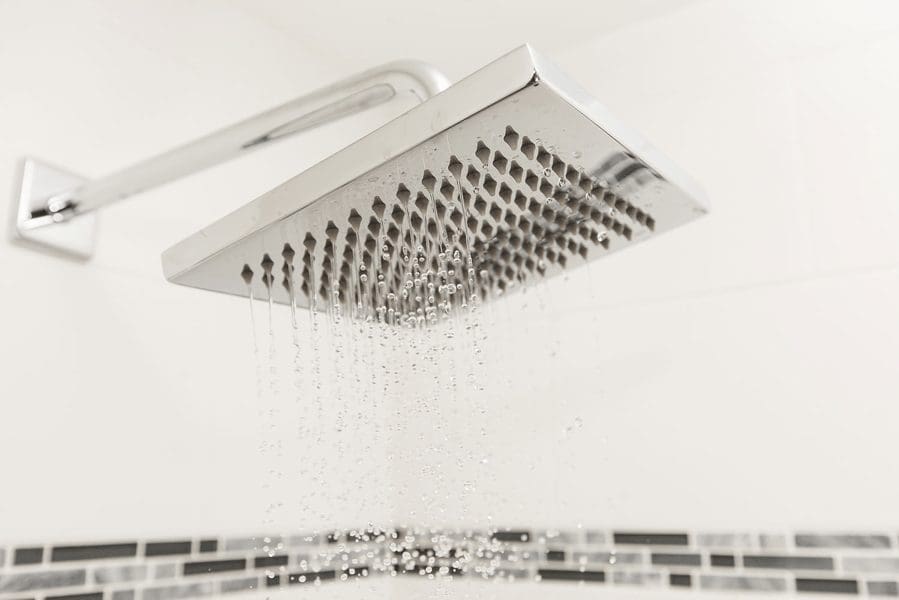
Rainfall shower heads are designed to simulate the feeling of standing in natural rain. Installed overhead, they provide a wide, gentle flow of water.
These are often associated with spa-like experiences and are commonly used in contemporary bathroom designs. However, they require proper ceiling height and adequate water pressure to function effectively.
- Handheld Shower Heads
Handheld units add flexibility to your shower setup. Connected via a hose, they allow you to direct water exactly where you need it.
They’re especially useful in households with children, elderly individuals, or pets. Additionally, they make cleaning the shower area significantly easier.
- Dual Shower Heads
Dual systems combine a fixed shower head with a handheld unit. This setup offers versatility without requiring a complete overhaul of your plumbing.
You can switch between the two or use both simultaneously, depending on your system design.
- High-Pressure Shower Heads
For homes with lower water pressure, high-pressure shower heads are designed to optimize flow and provide a stronger stream.
They’re a practical solution for improving performance without making major plumbing changes.
- Body Spray Systems
Body sprays are installed along the shower walls and spray water horizontally across your body. These are typically part of more advanced systems and create a full-body experience.
While luxurious, they require careful planning during installation due to their plumbing complexity.
Understanding Shower System Configurations
Beyond individual shower heads, the configuration of your system determines how water is delivered and controlled.
- Single Outlet Systems
These systems use one shower head and are ideal for smaller bathrooms or budget-conscious renovations. They are simple, reliable, and easy to maintain.
- Dual Outlet Systems
Dual outlet systems allow you to switch between two water sources, such as a rainfall head and a handheld unit.
This setup offers more flexibility without significantly increasing complexity.
- Multi-Outlet Systems
Multi-outlet systems include combinations of:
- Overhead shower heads.
- Handheld units.
- Body sprays.
These systems provide a highly customizable experience but require advanced plumbing, proper water pressure, and professional installation.
Related Read: Complete bathroom remodel guide.
How to Choose the Right Shower System
Choosing the right system involves more than just picking what looks appealing. It requires balancing design, functionality, and practical constraints.
- Consider Your Bathroom Size
Larger systems need adequate space to function properly. Installing a multi-outlet system in a small shower area can make the space feel cramped rather than luxurious.
- Evaluate Water Pressure
Not all homes have the same water pressure. Systems like rainfall showers and body sprays perform best with strong, consistent pressure.
If your pressure is limited, you may need to adjust your choices or consider upgrades.
- Think About Daily Use
Your shower should match your lifestyle.
For example:
- A family bathroom may benefit from a handheld unit.
- A master bathroom may prioritize relaxation features.
- Accessibility needs may require adjustable fixtures.
- Set a Realistic Budget
Costs can vary significantly depending on the complexity of the system. While basic upgrades are affordable, advanced systems involve higher installation and material costs.
Shower Head Installation: What to Expect
Installation is where many homeowners underestimate complexity.
- Basic Installation
Replacing a standard shower head is relatively simple and often a DIY-friendly task. It usually involves unscrewing the old unit and attaching a new one.
- Intermediate Installation
Installing dual systems or handheld units may require minor plumbing adjustments, such as adding a diverter valve.
- Advanced Installation
Multi-outlet systems or overhead rainfall setups often require:
- Plumbing rerouting.
- Wall or ceiling modifications.
- Pressure balancing systems.
This level of work is best handled by professionals. If you’re planning a complete upgrade, working with bathroom remodeling services ensures proper installation and long-term reliability.
Common Mistakes to Avoid
Many homeowners make decisions based purely on aesthetics, which can lead to performance issues.
One common mistake is installing large rainfall heads without sufficient water pressure. This results in weak flow and a disappointing experience.
Another issue is improper placement. A shower head that is too low, too high, or poorly angled can reduce usability.
Ignoring maintenance is also a problem. Some systems require regular cleaning to prevent mineral buildup, especially in areas with hard water.
Lastly, attempting complex installations without professional help can lead to leaks, uneven pressure, and costly repairs.
Best Practices for a Functional and Stylish Setup
A great shower system balances performance with design. Start by selecting fixtures that align with your plumbing capabilities. Then, focus on positioning, height, angle, and spacing all influence comfort.
Material quality also matters. Choosing durable finishes helps prevent corrosion and extends the lifespan of your system.
Many homeowners upgrading their showers also explore walk-in shower designs, which enhance accessibility and create a more open, modern look.
Related Read: Bathtub vs Shower: Which one to choose
How Shower Systems Impact Bathroom Design
Your shower system isn’t just functional, it’s a central design feature. For example, a rainfall head complements minimalist aesthetics, while body sprays add a sense of luxury. The finish of your fixtures, whether chrome, matte black, or brushed nickel, also contributes to the overall style.
A cohesive design ensures that your shower system integrates seamlessly with tiles, lighting, and layout.
Maintenance and Longevity Considerations
Even the best shower system requires maintenance.
Over time, mineral deposits can clog nozzles and reduce water flow. Regular cleaning helps maintain performance.
It’s also important to check for leaks and ensure that valves and seals remain in good condition.
Investing in quality fixtures upfront reduces long-term maintenance issues and ensures a better overall experience.
Shower Heads vs Full Shower Systems
| Feature | Shower Head Only | Full Shower System |
| Installation | Simple | Complex |
| Cost | Lower | Higher |
| Functionality | Basic | Advanced |
| Customization | Limited | High |
| Experience | Standard | Spa-like |
When Should You Upgrade Your Shower System?
Upgrading your shower system is worth considering if your current setup no longer meets your needs.
Signs include:
- Inconsistent water pressure.
- Outdated fixtures.
- Visible wear or leaks.
- Lack of functionality.
If you’re already planning a renovation, upgrading your shower system at the same time ensures better integration and cost efficiency.
Final Thoughts
A shower is no longer just a functional space, it’s an experience. By understanding the different types of shower heads and water delivery systems, you can design a setup that matches your needs, enhances comfort, and elevates your bathroom design.
Whether you’re making a small upgrade or planning a full remodel, the right choices can transform your daily routine and add long-term value to your home.