Curbless showers are a modern bathroom trend that has gained popularity for their sleek, minimalist design and accessibility benefits. As part of the universal design movement, curbless showers are not just about aesthetics; they play an essential role in making bathrooms more functional for individuals of all ages and abilities. If you’re considering a bathroom remodel, understanding what makes curbless showers unique, how they improve accessibility, and how to properly install them will help you make an informed decision.
In this guide, we’ll dive into the world of curbless showers, covering everything from their benefits to installation tips, and how they fit into the larger universal design trend.
What is a Curbless Shower?
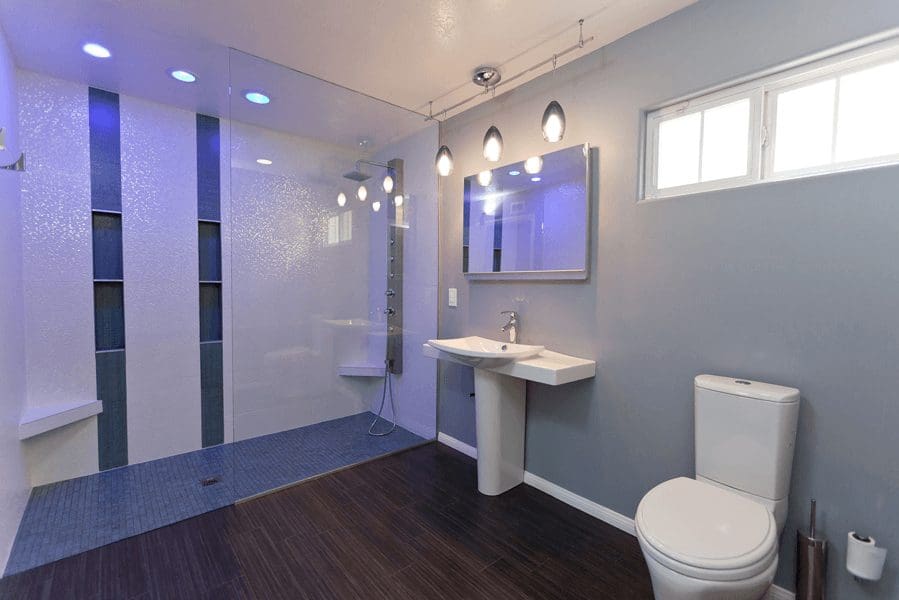
A curbless shower is a type of shower that does not have a raised edge or “curb” around the base, allowing for a seamless transition between the shower floor and the rest of the bathroom. This design eliminates the need for a traditional step over the threshold, making it easier to enter and exit, especially for individuals with limited mobility or physical disabilities.
Curbless showers are often designed with a slight slope to ensure proper water drainage without the need for a physical barrier. This streamlined design is not only practical but also adds a contemporary, open feel to the bathroom space.
Why Curbless Showers Matter
Curbless showers are an important component of universal design, which aims to create environments that are accessible to everyone, regardless of age or ability. They matter because they:
- Improve Accessibility: The lack of a curb makes entering and exiting the shower easier, reducing the risk of trips or falls.
- Enhance Aesthetics: Curbless showers contribute to a clean, modern bathroom design that can make the space appear larger and more cohesive.
- Increase Functionality: The open design makes the shower more flexible, allowing for adjustments that can accommodate various needs, from shower benches to handheld showerheads.
These benefits make curbless showers an excellent option for both homeowners and commercial spaces looking to create a welcoming and functional environment.
How Curbless Showers Improve Accessibility
Accessibility is a primary reason for choosing a curbless shower. People with mobility challenges, such as those using wheelchairs, walkers, or other assistive devices, benefit significantly from this design. Here’s how curbless showers improve accessibility:
- Ease of Entry: With no step to overcome, entering a curbless shower is much simpler, offering smoother transitions for those with limited leg strength.
- Better Safety: The level, even floor reduces the risk of tripping, making it a safer option for older adults or anyone with balance issues.
- Customizable for Disabilities: Curbless showers can be equipped with additional features such as grab bars, shower seats, and adjustable showerheads to accommodate various physical needs.
In addition to these features, curbless showers can be paired with other universal design elements, like wider doorways and non-slip flooring, to create a fully accessible bathroom.
Installation Tips and Considerations
While curbless showers offer many benefits, their installation can be more complex than traditional showers. Here are some key considerations for installing a curbless shower:
- Proper Drainage: The bathroom floor must be carefully sloped to ensure proper water drainage. Without a curb to contain the water, effective drainage becomes crucial to prevent flooding.
- Waterproofing: Ensuring that the shower area is properly waterproofed is essential to avoid water damage to the rest of the bathroom. This may involve installing a waterproof membrane or using specialized curbless shower pans.
- Flooring Choices: Use non-slip materials for the shower floor to prevent slips, especially in a wet environment. Popular options include textured tiles, natural stone, and slip-resistant vinyl.
It’s important to work with an experienced contractor who can properly install the shower to meet both design and functional requirements.
Pros and Cons of Curbless Showers
Pros:
- Aesthetic Appeal: A curbless shower provides a modern, sleek look that fits well in any bathroom style.
- Enhanced Accessibility: Ideal for people with disabilities or mobility issues.
- Easier to Clean: Without a curb, cleaning is simplified, and there are fewer places for grime to build up.
- Space-Saving: The open design can make a small bathroom appear larger.
Cons:
- Higher Cost: Installation can be more expensive due to the need for specialized drainage and waterproofing.
- Potential for Water Spillage: If not properly designed, water can spill into the rest of the bathroom, especially in areas with inadequate drainage.
- Complex Installation: Requires expert knowledge to install correctly, particularly for proper floor grading and waterproofing.
Universal Design and Curbless Showers
Curbless showers are a key feature of universal design, which strives to create spaces that are usable by people of all abilities. In addition to curbless showers, universal design bathrooms often include features like:
- Wider Doorways: Allowing easy access for people in wheelchairs or with strollers.
- Non-Slip Flooring: Reduces the risk of falls, making the space safer for everyone.
- Adjustable Shower Heads: Helps people with limited mobility comfortably use the shower.
By incorporating curbless showers and other universal design elements, homeowners can ensure their bathroom is both beautiful and accessible to everyone.
Best Practices for a Curbless Shower Remodel
When remodeling your bathroom to include a curbless shower, keep these best practices in mind:
- Plan for Proper Drainage: Ensure your bathroom floor is graded correctly to direct water into the drain without pooling.
- Choose the Right Flooring: Opt for slip-resistant, textured tiles or materials that provide both safety and style.
- Consider Lighting: Bright, even lighting helps users navigate the space safely, especially for individuals with visual impairments.
- Consult a Professional: A professional remodeler experienced in universal design can help ensure your curbless shower is both functional and beautiful.
When to Seek Professional Help
While it is possible to install a curbless shower yourself, it’s highly recommended to hire a professional for several reasons:
- Proper Installation: Ensuring proper drainage and waterproofing requires specialized knowledge.
- Compliance with Building Codes: A professional will ensure your remodel meets local codes and safety standards.
- Quality and Durability: An experienced contractor will use the right materials and techniques to ensure your curbless shower lasts for years.
Final Thoughts
Curbless showers are an excellent option for homeowners seeking a modern, accessible bathroom design. They improve both the functionality and aesthetics of the space while offering practical benefits for those with mobility challenges. By following the installation best practices and understanding the key benefits and considerations, you can create a bathroom that is both stylish and accessible.
Related Read: What are Doorless Showers