Cold bathroom tiles can be uncomfortable, especially during colder months. Heated bathroom floors, also called radiant floor heating, use a heating system beneath the flooring to warm the floor surface from below.
But are heated bathroom floors worth the additional cost? For many homeowners, they can be a worthwhile comfort upgrade particularly when installed as part of a planned bathroom remodel. The right choice depends on your climate, flooring, bathroom layout, remodeling plans, and how often you expect to use the system.
What are Heated Bathroom Floors?
Heated bathroom floors use a radiant heating system installed beneath the finished flooring. Instead of heating the room primarily by blowing warm air, the system transfers heat through the floor surface to create warmth underfoot.
There are two main types of radiant floor heating:
- Electric radiant heating: Uses electrical cables or heating mats beneath the floor.
- Hydronic radiant heating: Uses heated water circulating through tubing installed beneath the floor.
Electric systems are commonly used in individual bathrooms because they can be relatively straightforward to install in smaller areas. Hydronic systems are more often considered for larger areas or whole-home radiant heating.
How Does Radiant Floor Heating Work?
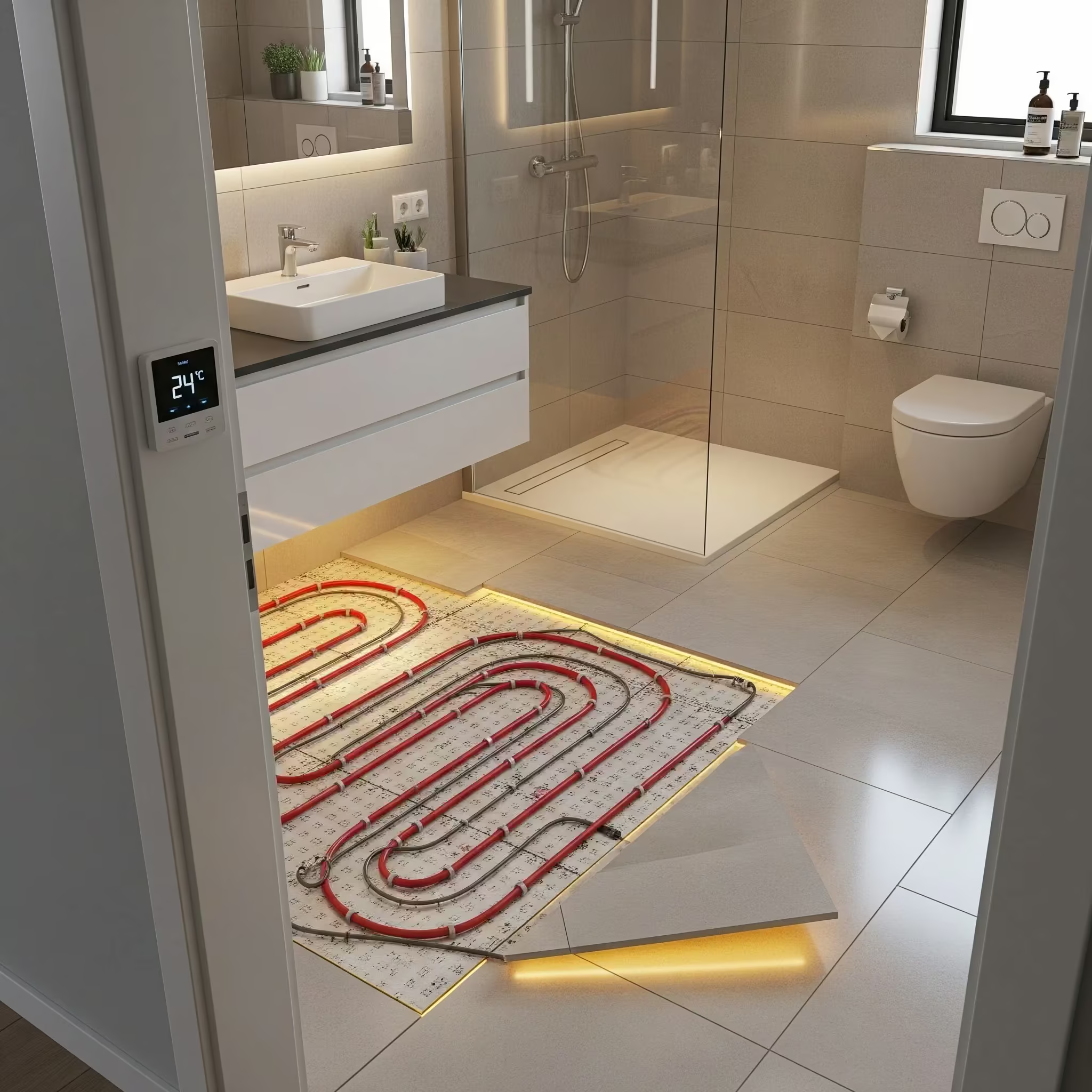
Electric heated bathroom floors use resistance heating cables or a preconfigured heating mat installed beneath the finished flooring. When the system is turned on, electricity heats the cables, which transfer heat through the flooring above.
A typical electric system includes:
- Heating cable or mat
- Floor temperature sensor
- Thermostat
- Electrical connection
- Finished flooring above the heating system
The thermostat controls when the system operates, while a floor sensor can monitor the temperature of the floor. Once installed, the heating components remain concealed beneath the finished flooring.
What Types of Heated Bathroom Floors Are Available?
Electric and hydronic systems work differently, and each is better suited to certain applications.
| Feature | Electric Radiant Heating | Hydronic Radiant Heating |
| How it works | Electrical cables or mats generate heat | Heated water circulates through tubing |
| Best suited for | Bathrooms and smaller areas | Larger areas or whole-home systems |
| Installation | Generally simpler for individual rooms | More complex |
| Upfront cost | Often lower for smaller installations | Can be higher, particularly for a single room |
| Retrofit potential | Well suited to many bathroom remodels | More commonly considered for new construction or major renovations |
For a single bathroom, electric radiant floor heating is often the more practical option because it does not require the plumbing infrastructure and heat source needed by a hydronic system. Hydronic heating may make more sense when radiant heating is being installed across multiple rooms or throughout a home.
How Much Do Heated Bathroom Floors Cost?
The cost of heated bathroom floors depends on the size of the heated area, the type of system, floor preparation, electrical requirements, flooring, and the condition of the existing bathroom.
| Cost Factor | Why It Affects Price |
| Heated floor area | Larger areas require more heating materials |
| System type | Electric and hydronic systems have different installation requirements |
| Floor preparation | Leveling, repairs, or subfloor work can increase labor |
| Electrical work | A dedicated circuit or electrical upgrades may be required |
| Thermostat | Basic and smart thermostats have different costs |
| Flooring | New tile or other flooring contributes to the overall remodeling cost |
| Existing bathroom condition | Removing existing flooring or repairing the subfloor can increase project scope |
The timing of installation also affects the overall cost and practicality. Heated flooring is generally easier to install when the bathroom floor is already being removed and replaced as part of a remodel.
If you’re planning a bathroom remodeling project, discussing heated flooring before construction begins allows the heating system, electrical requirements, floor height, and finished flooring to be planned together.
How Much Does It Cost to Run Heated Bathroom Floors?
The operating cost of electric heated floors depends on the system’s wattage, heated area, local electricity rate, and how frequently the system operates.
Because bathrooms are usually relatively small, the heating system does not necessarily need to cover every square foot. It can be designed for appropriate open floor areas rather than beneath permanent fixtures.
A thermostat can also control when the system operates, allowing you to heat the floor around the times you use the bathroom instead of running it continuously.
For a more accurate estimate, your contractor or heating-system manufacturer can calculate expected energy use based on the specific system, heated area, operating schedule, and local electricity rate.
What Flooring Works With Heated Bathroom Floors?
Several bathroom flooring materials can be compatible with radiant floor heating, but the heating system and flooring must be approved for use together.
Tile and stone are popular choices because they transfer heat effectively and can retain warmth after the system has been turned off. Heated flooring can be installed beneath bathroom tile when the selected system and installation materials are compatible.
Before installation, confirm that:
- The flooring is approved for radiant heating.
- The heating system is compatible with the selected flooring.
- Adhesives, underlayments, and other installation materials are rated for the application.
- Manufacturer temperature limits are followed.
Related Read: Best Flooring for Bathrooms
What are the Benefits of Heated Bathroom Floors?
The primary benefit of heated bathroom floors is everyday comfort. Instead of stepping onto a cold surface, you can have a warmer floor when the system is operating.
Other potential benefits include:
- More comfortable mornings: Warm flooring can make getting out of bed and starting your day more pleasant during colder weather.
- Even, quiet warmth: Radiant heating distributes warmth across the heated floor area without fans or forced-air movement.
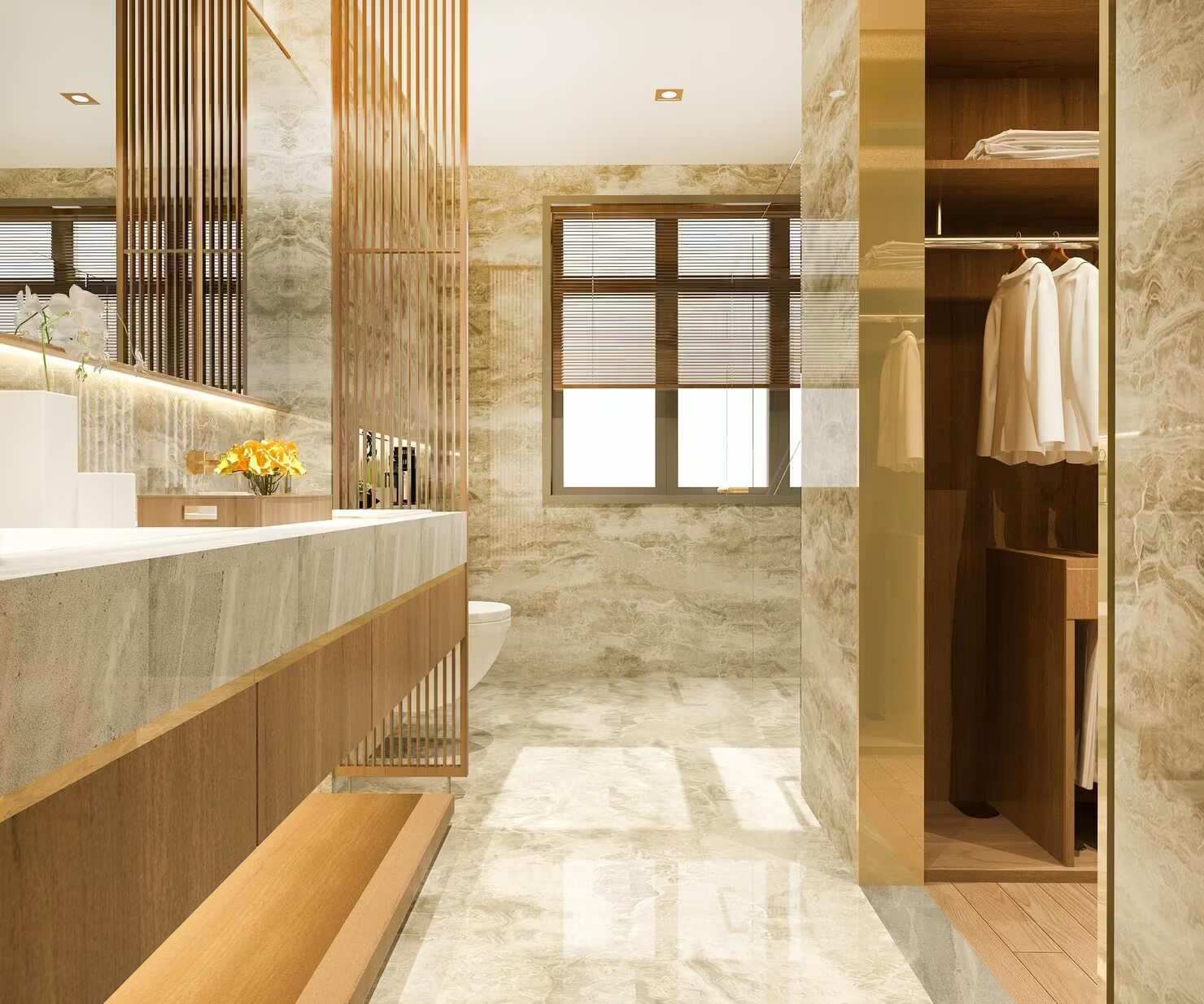
- A luxury bathroom feature: Heated flooring can add a higher-end, spa-like element to a bathroom remodel.
- Targeted heating: The system can be designed to heat selected floor areas rather than the entire bathroom.
Heated flooring is primarily a comfort feature, not a replacement for your home’s primary heating system. It can contribute some warmth to the room, but the system should be selected based on the manufacturer’s specifications and your home’s heating requirements.
Are Heated Bathroom Floors Worth It?
Heated bathroom floors can be worth the investment if you value everyday comfort and are already planning to replace your bathroom flooring. They can be especially appealing in colder or seasonal climates where cold floors are a frequent concern.
They may be a good fit if you:
- Live in a cold or seasonal climate.
- Frequently find cold bathroom floors uncomfortable.
- Are already replacing the bathroom flooring.
- Want a comfort-focused or luxury bathroom upgrade.
- Plan to stay in your home and expect to use the feature regularly.
They may be harder to justify if you:
- Live in a warm climate where cold floors are rarely an issue.
- Are not planning to replace your existing flooring.
- Have a very limited remodeling budget.
- Expect radiant flooring to function as the home’s primary heating system.
For many homeowners, the biggest value is comfort rather than whole-room heating. If you’re already remodeling the bathroom, adding radiant heating during the flooring installation can also be more practical than retrofitting a finished floor.
When Should You Install Heated Bathroom Floors?
The best time to install heated bathroom flooring is generally during a bathroom remodel when the floor is already being replaced.
Because the heating system sits beneath the finished flooring, adding it to an existing bathroom may require removing the current flooring and preparing the surface underneath.
Planning the system before installation also allows your remodeling team to coordinate:
- Floor preparation
- Electrical requirements
- Thermostat placement
- Heating zones
- Flooring selection
- Finished floor height
Addressing these details before construction helps ensure the heating system works with the rest of the bathroom design rather than becoming a last-minute addition.