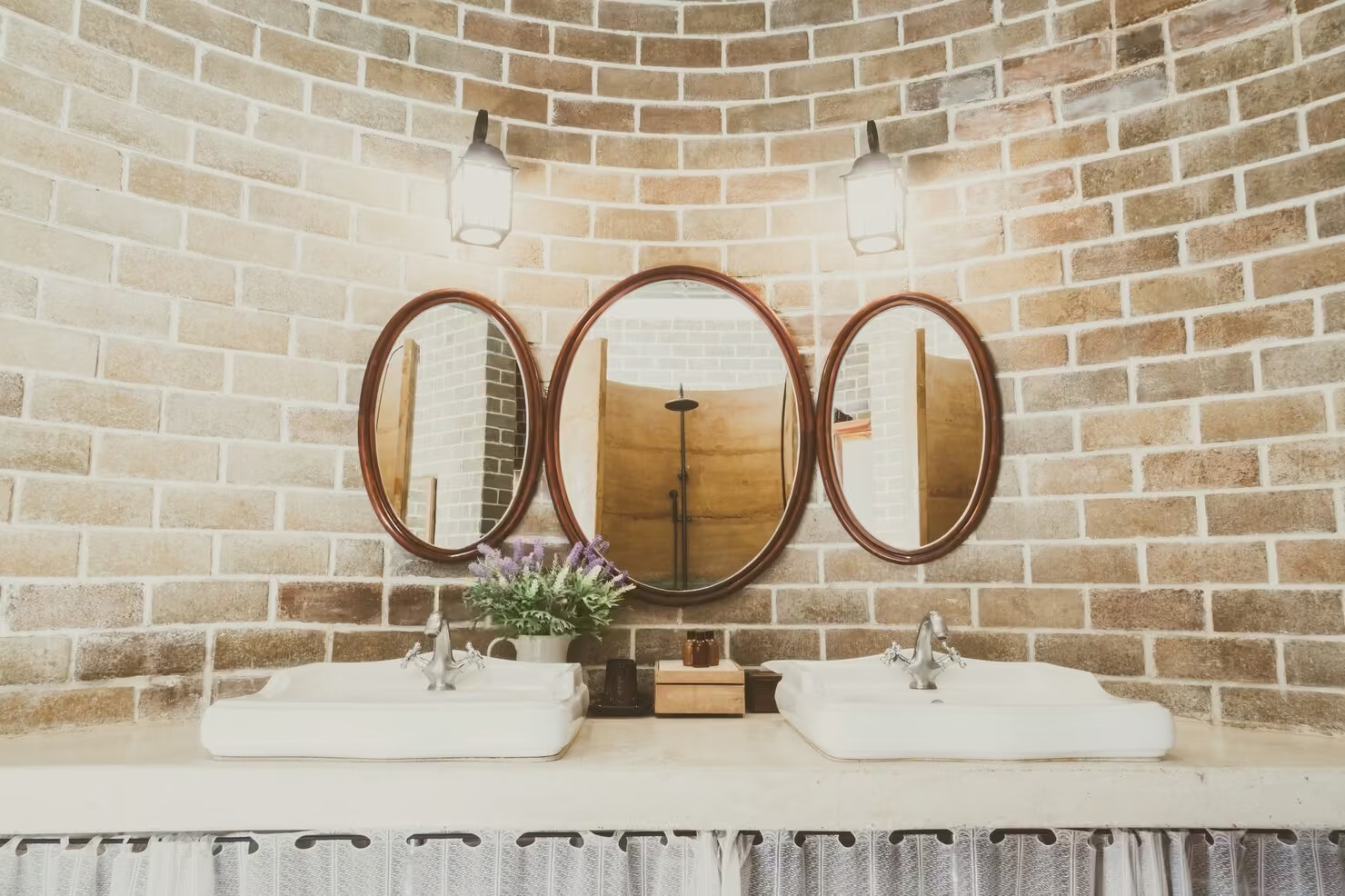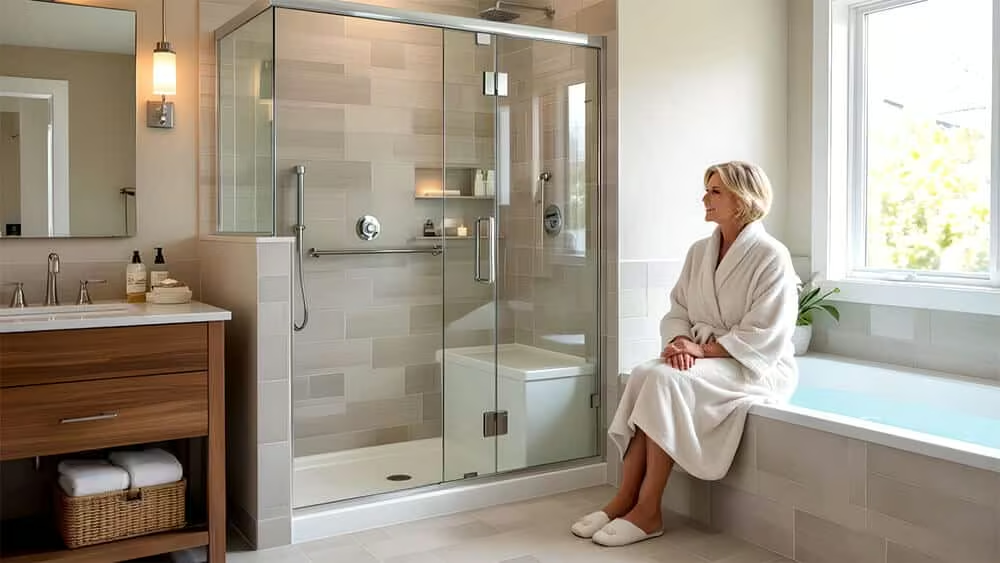
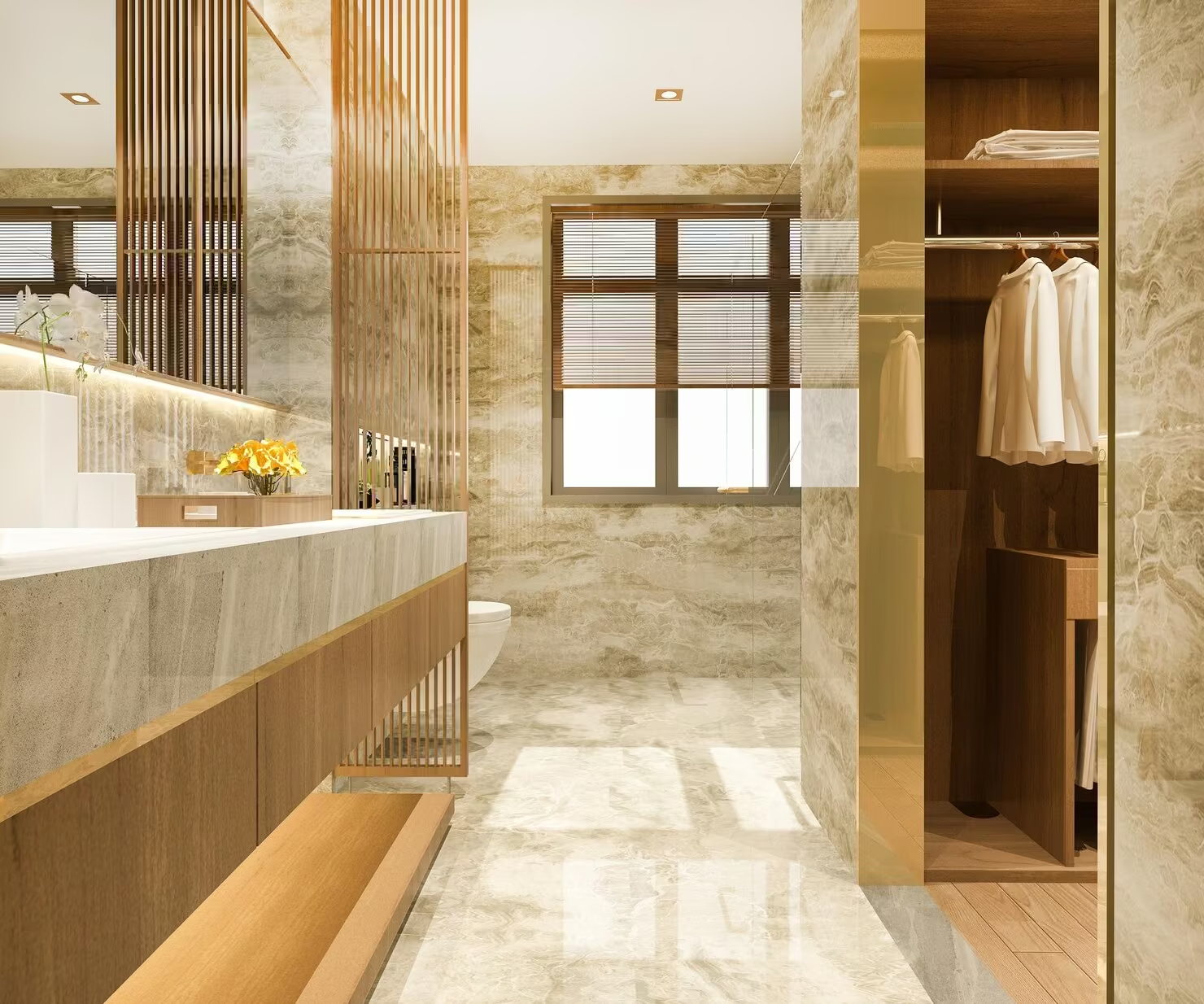
A bathroom accent wall can give a remodel a focal point without requiring every surface to make a statement. The right wall, material, color, and pattern can add visual interest while complementing the rest of the bathroom.
In 2026, bathroom accent walls are moving beyond simple painted feature walls. Large-format tile, natural stone, bold patterns, textured surfaces, and carefully chosen wallpaper are all being used to create distinctive focal points.
The key is choosing an accent that works with the bathroom’s size, layout, moisture levels, and overall design.
What is a Bathroom Accent Wall?
A bathroom accent wall is a single wall or defined surface designed to stand out from the surrounding walls. It can differ through color, pattern, texture, material, or finish.
Common locations include:
- The wall behind a freestanding bathtub.
- The shower’s main wall.
- The wall behind a bathroom vanity.
- A wall visible immediately when entering the bathroom.
An accent wall does not have to be dramatically different. A subtle change in texture or tone can create enough contrast to define the space.
10 Bathroom Accent Wall Ideas for 2026
- Large-Format Statement Tile
Large-format tile creates a clean, contemporary backdrop with fewer visible grout lines.
Use a marble-look porcelain, concrete-inspired finish, or another large-format design to create a dramatic wall without introducing a busy pattern. This approach works particularly well behind a vanity or across the main shower wall.
- Floor-to-Ceiling Tile
Instead of stopping an accent wall at a standard height, carry the material from floor to ceiling.
This creates a continuous visual plane and can make the bathroom feel taller. It is especially effective when the accent wall is positioned behind a freestanding tub or inside a shower. A bold tile can make the wall the focal point, while a neutral tile creates a more understated effect.
- Natural Stone or Stone-Look Surfaces
Natural stone brings variation and texture that can make an accent wall feel less uniform. Marble, travertine, slate, and other stone options can create a distinctive backdrop. Stone-look porcelain offers another option when you want the appearance of stone with the practical characteristics of porcelain.
- Bold Wallpaper
Wallpaper can turn a plain bathroom wall into a feature without adding tile across the entire room. Botanical patterns, geometric designs, and subtle textures can all work depending on the bathroom’s style.
For areas exposed to moisture, choose a product specifically suited to bathroom conditions and follow the manufacturer’s installation recommendations. Wallpaper is generally better suited to a dry accent wall than a shower enclosure.
- A Bold Paint Color
Paint remains one of the simplest ways to create a bathroom accent wall. Instead of painting the entire bathroom a strong color, use it selectively behind the vanity, bathtub, or another focal point.
Deep greens, warm earthy tones, muted blues, and other saturated shades can create contrast against lighter surrounding walls.
Related Read: Best Paint Colors for Bathroom
- Vertical Tile Patterns
Vertical tile installation can draw the eye upward and give the wall a taller appearance. Stacked rectangular tiles, vertically oriented large-format tiles, and narrow vertical patterns can all create this effect.
This is particularly useful in bathrooms with limited wall space where you want visual height without adding a complicated pattern.
- Textured Tile
An accent wall does not need a dramatic color difference to stand out. Three-dimensional and textured tile can add depth through light and shadow while keeping the overall color palette restrained.
Textured surfaces are particularly effective as a vanity backdrop or on a wall that receives natural or decorative lighting.
Related Read: Choosing the Right Tile for Bathroom Renovation
- Mosaic Feature Wall
Mosaic tile can introduce smaller-scale patterns and more visual detail than large-format tile. Use it selectively rather than covering every wall. A mosaic behind the vanity or within a defined shower area can provide a focal point while the surrounding surfaces remain simple.
Because mosaics contain more grout lines and visual detail, pairing them with understated surfaces helps prevent the room from feeling too busy.
- Mixed Materials
Combining two complementary materials can make an accent wall more distinctive. For example, a wall might combine tile with a wood-look element, stone with painted drywall, large-format tile with a smaller mosaic or smooth surfaces with textured tile.
The materials should share at least one visual connection, such as color or tone. Mixing too many unrelated finishes can make a small bathroom feel cluttered.
- A Statement Slab
A large slab can create a nearly continuous visual surface with minimal grout lines. Marble, quartz, porcelain slab, or other suitable materials can create a high-end focal point behind a bathtub or vanity.
This approach is particularly effective when the goal is a dramatic stone appearance without a heavily patterned tile layout.
Where Should a Bathroom Accent Wall Go?
The best location is usually a wall that naturally draws attention.
- Behind the Vanity: The vanity wall is one of the easiest places to create an accent. It is already a visual focal point, so a contrasting wall can reinforce the room’s design. This works especially well with tile, wallpaper, bold paint, or textured materials.
- Behind the Bathtub: A freestanding tub creates an obvious focal point. Adding a distinctive wall behind it can make the entire tub area feel intentional rather than simply placing the tub against a blank surface. Large-format tile, stone, and statement slabs work particularly well here.
- Inside the Shower: The main shower wall can serve as an accent while the remaining shower surfaces stay more restrained. Choose materials designed for wet-area use and consider maintenance when selecting heavily textured or patterned surfaces.
- The Wall You See First: Sometimes the best accent wall is simply the one that catches your eye when you enter the bathroom. This can be particularly useful in smaller bathrooms where there may not be enough space for several separate design features.
How to Choose the Right Bathroom Accent Wall Material
Start with the wall’s location and moisture exposure before choosing its appearance.
| Material | Best suited for | Design effect |
| Tile | Showers, tub walls, vanities | Versatile and durable |
| Porcelain | Wet areas and statement walls | Stone, marble, and other looks |
| Wallpaper | Dry walls | Pattern and color |
| Paint | Dry walls | Simple, affordable contrast |
| Natural stone | Feature walls and select wet areas | Natural variation and luxury |
| Slab surfaces | Tub or vanity feature walls | Minimal grout and dramatic impact |
| Textured tile | Accent walls and selected shower areas | Depth and visual interest |
The material should also work with the rest of the bathroom. An accent wall is most effective when it feels intentional rather than disconnected from the floor, fixtures, vanity, and surrounding walls.
View Service: Bathroom Remodeling
Bathroom Accent Wall Mistakes to Avoid
A feature wall should add focus, not compete with everything else in the room.
Avoid these common mistakes:
- Choosing the wall randomly: Use a wall that naturally supports the room’s focal point.
- Using too many statement elements: A bold wall, patterned floor, colorful vanity, and elaborate fixtures can compete for attention.
- Ignoring moisture: Not every wall covering is suitable for a wet environment.
- Overlooking scale: Small patterns can become visually busy across a large wall, while oversized patterns may overwhelm a small bathroom.
- Choosing a trend without considering longevity: Pick a design you expect to enjoy beyond the current trend cycle.
- Forgetting lighting: The same tile or texture can look very different under natural, recessed, or vanity lighting.
Is a Bathroom Accent Wall Right for Your Remodel?
An accent wall is worth considering when you want to introduce color, texture, or pattern without committing the entire bathroom to the same finish.
The best approach is to start with the bathroom’s layout and identify the wall you want people to notice. Then choose a material that fits its moisture exposure, maintenance requirements, and the rest of the design.
A well-planned accent wall should feel like part of the bathroom, not an element added after everything else was finished.
Final Thoughts
A bathroom accent wall can be as simple as a bold paint color or as dramatic as a full-height stone slab. The best choice depends on the wall’s location, moisture exposure, bathroom size, and the overall design you want to achieve.
If you’re remodeling, use the accent wall as one part of the larger design rather than choosing it in isolation. The result will feel more cohesive, and more likely to stay appealing long after the latest trend has passed.