
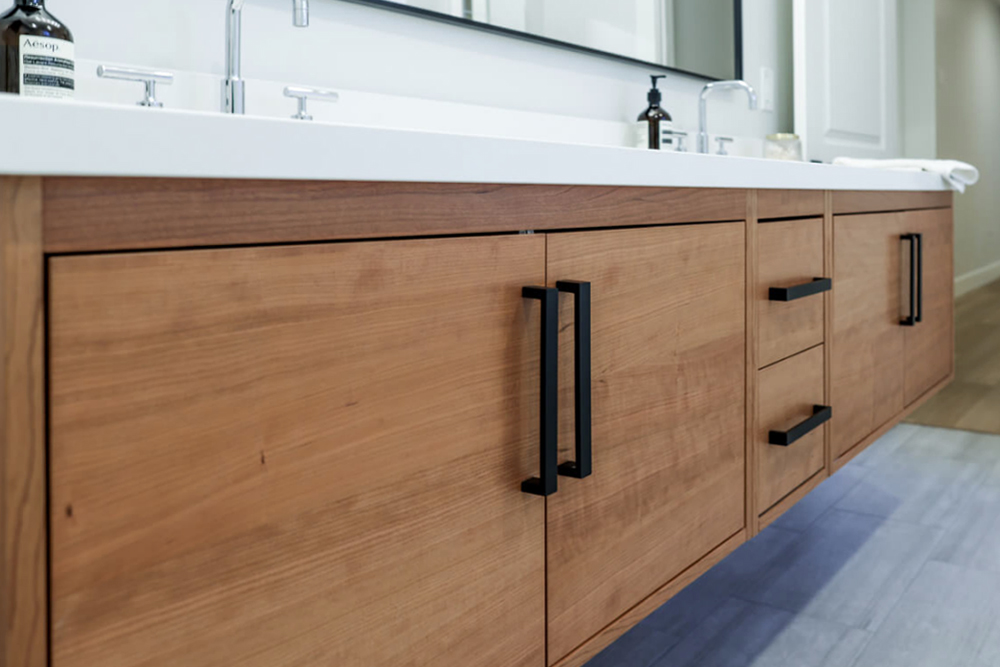
A bathroom vanity does much more than hold a sink. It’s one of the most important features in your bathroom, serving as the centerpiece of the room while providing storage, counter space, and everyday functionality. Whether you’re remodeling a primary bathroom, guest bath, or powder room, choosing the right vanity can dramatically improve both the appearance and usability of your space.
With so many sizes, styles, materials, and configurations available, it’s easy to feel overwhelmed. This guide walks you through the key factors to consider so you can select a bathroom vanity that complements your home, fits your lifestyle, and stands the test of time.
Start with Your Bathroom Layout
Before falling in love with a particular vanity style, evaluate your bathroom’s layout.
Measure the available floor space and consider how doors, drawers, toilets, and showers will interact with the vanity. A vanity that’s too large can make the room feel cramped, while one that’s too small may not provide enough storage or countertop space.
If you’re planning a complete bathroom remodeling, this is also the ideal time to reconsider the room’s layout. Relocating plumbing or adjusting the vanity location may create a more functional design and improve traffic flow.
Choose the Right Vanity Size
Bathroom vanities come in a variety of widths, with the most common sizes ranging from 24 to 72 inches.
- 24–36 inches: Best for powder rooms and small bathrooms.
- 48 inches: A great option for medium-sized bathrooms that need additional storage.
- 60–72 inches: Ideal for primary bathrooms and shared spaces, especially if you’re considering a double-sink vanity.
The right size should provide comfortable counter space without overwhelming the room.
Select a Vanity Style That Matches Your Home
Your vanity should complement the overall design of your bathroom and home.
- Freestanding Vanities: Freestanding vanities are the most common option. They offer generous storage, work well in almost any bathroom, and are available in countless sizes and finishes.
- Floating Vanities: Wall-mounted or floating vanities create a sleek, contemporary appearance. Because the floor remains visible beneath the cabinet, the room often feels larger and more open. They’re especially popular in modern bathrooms. Keep in mind that floating vanities typically offer slightly less storage than full-height cabinets.
- Furniture-Style Vanities: Furniture-inspired vanities feature decorative legs and elegant detailing while providing nearly the same storage capacity as traditional cabinets. They work beautifully in transitional, traditional, and even modern bathroom designs.
Choose a Cabinet Door Style
Cabinet doors play a significant role in defining your bathroom’s overall aesthetic. Some of the most popular options include:
- Flat-panel doors: Clean, simple lines for modern bathrooms.
- Shaker doors: A timeless choice that complements both traditional and contemporary spaces.
- Raised-panel doors: Decorative profiles that add elegance to classic bathroom designs.
Beyond appearance, consider maintenance. Simpler door styles are generally easier to clean because they collect less dust and moisture in grooves and detailing.
Related Read: What is the Best Cabinet
Prioritize Storage That Fits Your Lifestyle
A beautiful vanity should also help keep your bathroom organized. Think about what you need to store each day, including:
- Towels.
- Hair styling tools.
- Toiletries.
- Cleaning supplies.
- Cosmetics.
- Personal care products.
Drawers provide easy access and better organization, while cabinet doors are ideal for storing taller items. Many homeowners prefer a combination of both to maximize functionality.
Custom organizers, pull-out trays, and built-in dividers can further improve storage and reduce countertop clutter.
Related Read: Bathroom Storage Solutions
Pick Durable Materials and Finishes
Bathrooms experience constant humidity and moisture, making material selection especially important. Popular vanity materials include:
- Solid wood.
- Plywood construction.
- Moisture-resistant MDF.
- High-quality engineered wood.
- Laminate finishes.
For finishes, both painted and stained cabinets offer excellent durability when professionally manufactured. Neutral colors like white, gray, and natural wood remain popular because they adapt easily to changing design trends.
Related Read: Ecofriendly Bathroom Material
Choose the Right Countertop
The countertop contributes just as much to durability as it does to appearance. Some of the most popular options include:
- Quartz: Extremely durable, low maintenance, and resistant to stains and moisture.
- Granite: A natural stone with unique patterns that adds long-lasting beauty.
- Solid Surface: Provides a seamless appearance and is easy to maintain.
- Marble: Offers timeless luxury but requires more care to protect against staining and etching.
The best choice depends on your budget, maintenance preferences, and overall design goals.
Decide Between a Single or Double Sink
A double vanity can make busy mornings much more convenient, particularly for shared primary bathrooms.
Choose a single sink vanity if:
- Your bathroom has limited space.
- You prefer additional countertop area.
- It’s a guest or powder bathroom.
Choose a double sink vanity if:
- Two people regularly use the bathroom.
- You want additional storage.
- The room is large enough to maintain comfortable spacing.
Selecting the right sink configuration helps balance convenience with available space.
Coordinate Hardware, Faucets, and Lighting
The finishing touches often have the biggest impact.
Choose hardware and plumbing fixtures that complement your vanity style.
Popular finishes include:
- Matte black for a bold, contemporary look.
- Brushed nickel for versatility.
- Chrome for a clean, modern finish.
- Brushed brass for warmth and elegance.
Lighting is equally important. Wall sconces positioned on either side of the mirror provide even illumination for daily grooming, while pendant lighting can create a striking design feature in larger bathrooms.
Related Read: Bathroom Faucet Options
When Is It Time to Replace Your Bathroom Vanity?
If your current vanity is showing signs of age or no longer meets your needs, replacing it can dramatically improve both the look and functionality of your bathroom.
Consider replacing your vanity if you notice:
- Water damage or swelling.
- Peeling finishes.
- Outdated design.
- Limited storage.
- Damaged countertops.
- Worn hardware.
- Inefficient layout.
A new vanity is often one of the most impactful upgrades you can make during a bathroom remodel.
Final Thoughts
The right bathroom vanity combines style, storage, and everyday functionality to create a space that’s both beautiful and practical. By considering your layout, storage needs, materials, and design preferences, you can choose a vanity that enhances your bathroom for years to come.
Ready to start your bathroom remodel? Contact One Week Bath today to schedule your free consultation.